
Self-Custody Crypto Card With Optional Plastic — Review
 Available in US
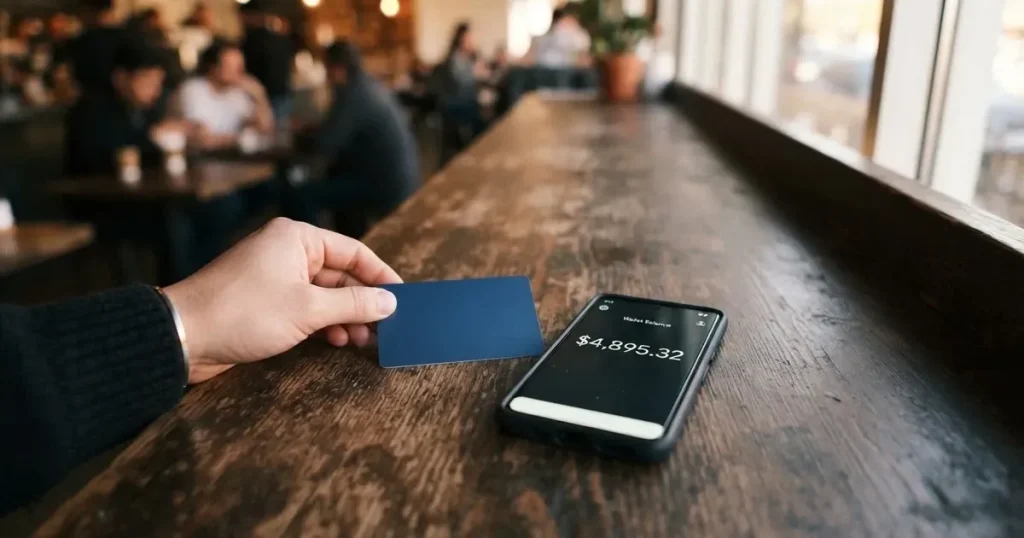
The Oppi card is one of those crypto cards built around self-custody rather than a custodial balance: your private keys stay on your own device, and the card is essentially a spendable front-end for money you already control. It offers a virtual Mastercard issued quickly, an optional physical card, Apple Pay and Google Pay support, ATM withdrawals, and funding from nine different crypto assets across five chains. It scores 7.2 out of 10 in my assessment — solidly above average, but dragged down by real gaps in published fees and some quiet contradictions in how the card markets itself.
The conditions described below are current as of October 28, 2026.
Verdict: 7.2 / 10 — Good Card, Murky Paperwork
Oppi suits people who already hold crypto and want to spend it directly from their own wallet, without handing custody to a provider. It is particularly good for users who want the flexibility of a virtual card for online spending but also want the option of a physical card later. It is less suited to people who need a fully public, itemised fee schedule, a named card issuer, or a well-documented dispute process — because Oppi’s own pages simply do not publish those things clearly.
My score breaks down as follows, with each criterion marked out of 10 and the reason I gave it:
| Criterion | Score | Reason |
|---|---|---|
| Who can get it | 9/10 | Claimed in 210+ countries; unofficial listings say 221 with Cuba, Iran, North Korea and Syria excluded |
| Cost | 4/10 | Virtual activation $10 (of which $5 returns), physical $100 including shipping, 2%-2.5% on non-USD payments, no monthly fee |
| Top-up options | 9/10 | BTC, BCH, BNB, ETH, LTC, SOL, USDT, TRX, USDC across Ethereum, BSC, Polygon, TRON, Solana |
| Reliability and complaints | 6/10 | Self-custody, keys on device; issuer unnamed, company is Encoin Limited; no complaints found; App Store 4.6/5 from 50 ratings |
| Everyday use | 9/10 | Virtual Mastercard with optional physical, Apple Pay and Google Pay, ATM withdrawals claimed |
| Total | 7.2/10 | Strong on flexibility and everyday use; weak on published fee transparency and issuer clarity |
Two features stand out for me. First, the self-custody design is the real differentiator: Oppi states it never holds your funds, so there’s no counterparty bankruptcy risk of the kind that has dogged custodial exchanges. Second, the breadth of funding options — nine assets across five networks — is generous for a card that most people will only ever top up with USDT or USDC.
Two features give me pause. The card issuer or BIN sponsor is not publicly named, and the physical card’s brand is inconsistent across Oppi’s own materials (virtual Mastercard, physical Visa in one table, Visa/Mastercard elsewhere). Neither of these is a dealbreaker, but both mean you are trusting an entity you cannot fully identify.
Who Can Get the Oppi Card
Oppi claims availability in “210+ countries” — other pages on its site say “100+” and “200+” — with the caveat that “availability varies, regulatory limits apply.” Eligibility is checked at signup. A restricted-country list does exist in the page FAQ, though the answers themselves were not readable.
Unofficial sources (third-party sites, not confirmed by Oppi) list 221 countries as available, with Cuba, Iran, North Korea and Syria restricted. The same source notes the AML policy also bars Crimea, Donetsk and Luhansk. It also explains the “210+” figure is really about Mastercard acceptance rather than Oppi’s own licensing footprint — which is a helpful clarification, because it means the country count reflects where the card network works, not where Oppi is licensed.
So: if you live in a normal, non-sanctioned country and hold a government-issued ID, you are very likely eligible. If you live somewhere with an active sanctions regime or in a disputed region, expect a decline.
How to Get the Oppi Card
Getting the card starts with downloading the wallet. The app is on the App Store for iPhone (iOS 15.6+, also listed for M-series Macs and Vision devices), and there is an Android listing. The App Store shows a 4.6 out of 5 rating from 50 ratings as of my read.
KYC is required to enable the card, not the wallet itself. The process is government ID plus a selfie, taking two minutes. There is only one verification level described — no tiers. Proof of address and age requirements are not stated on the card page.
Unofficial sources say proof of address is required under the AML policy, and that withdrawals above $10,000 daily or $100,000 monthly trigger proof of funds, a source-of-wealth questionnaire and a video call. Treat these as useful expectations, not confirmed policy.
After KYC, the virtual Mastercard appears in the app instantly. The physical card is optional and costs extra — see the Fees section. Multiple virtual cards can be created from one balance.
What It Really Costs: Fees, Activation and Everyday Payments
Oppi’s cost structure is where the card gets murky. There is no monthly or annual fee, which is genuinely good. But the activation and FX charges add up, and some fees are simply not published.
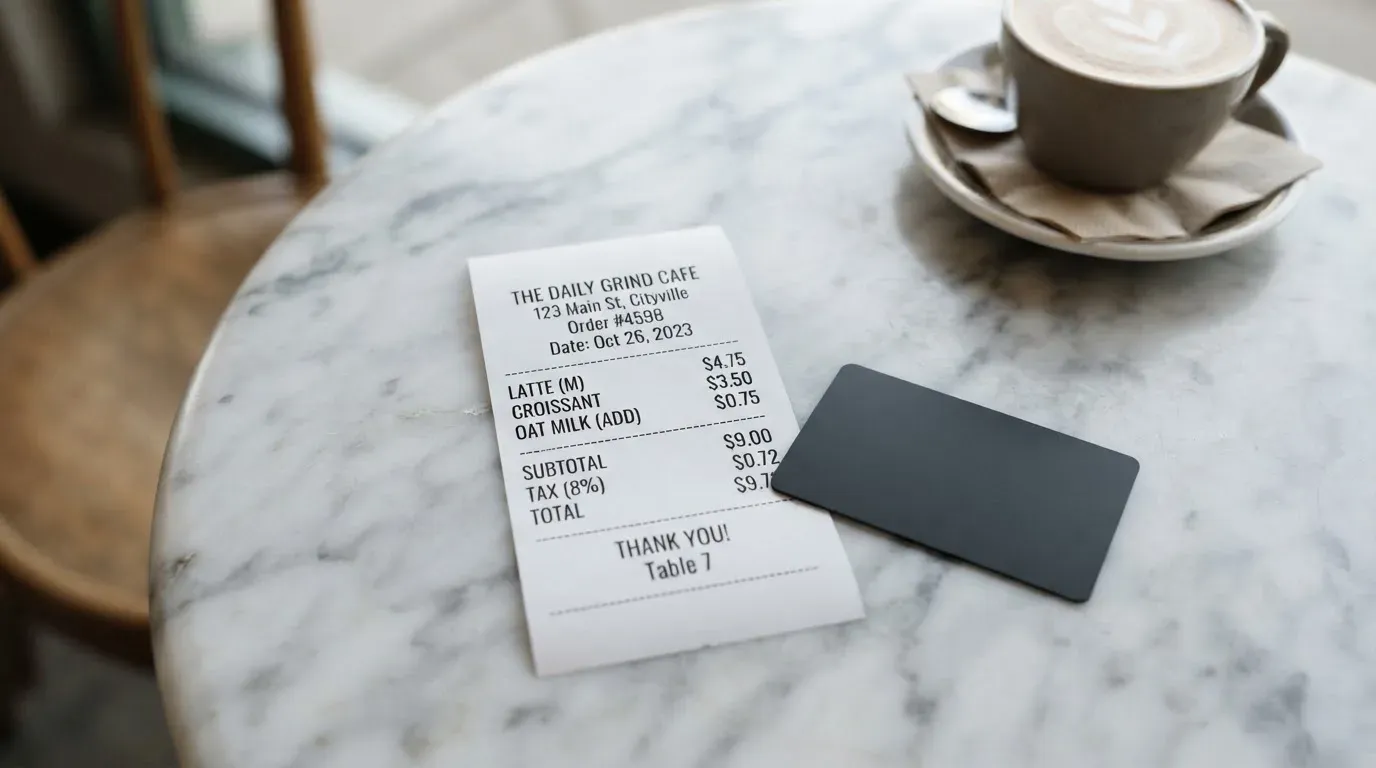
Here is what the card’s own pages say, line by line:
| Fee or limit | Value |
|---|---|
| Virtual card activation | $10 one-time, with $5 credited back (comparison table says $5 issuance) |
| Monthly or annual fee | None |
| Physical card | $100 including shipping |
| Non-USD purchase charge | 2%-2.5% FX fee |
| Crypto top-up conversion | At the real-time rate |
| Swap fee | Described as “low”, amount not stated |
| ATM withdrawal fee | Not stated; ATM withdrawals are claimed as supported |
| Daily and monthly limits | Not stated on the card page |
The App Store listing lists the physical card as a one-time fee with the amount undisclosed. Unofficial sources conflict directly: some say the virtual card is free and the physical is $10, others match the official $10/$100 figures with a $15 variant for India.
Here’s how the fees play out on three ordinary purchases. Buying a $30 coffee in your local currency: you pay the $30 plus the 2%-2.5% FX charge. Paying for a $50 subscription in USD: no FX charge, no extra fee. Tapping your phone for a $80 grocery shop: the $80 plus the 2%-2.5% FX charge, depending on your local currency.
How to Top Up the Oppi Card
Topping up is where Oppi is strongest. The card accepts nine crypto assets: BTC, BCH, BNB, ETH, LTC, SOL, USDT, TRX and USDC. These are supported across five chains: Ethereum, BSC, Polygon, TRON and Solana. The App Store listing mentions “40+ assets”, which is broader than the specific list.
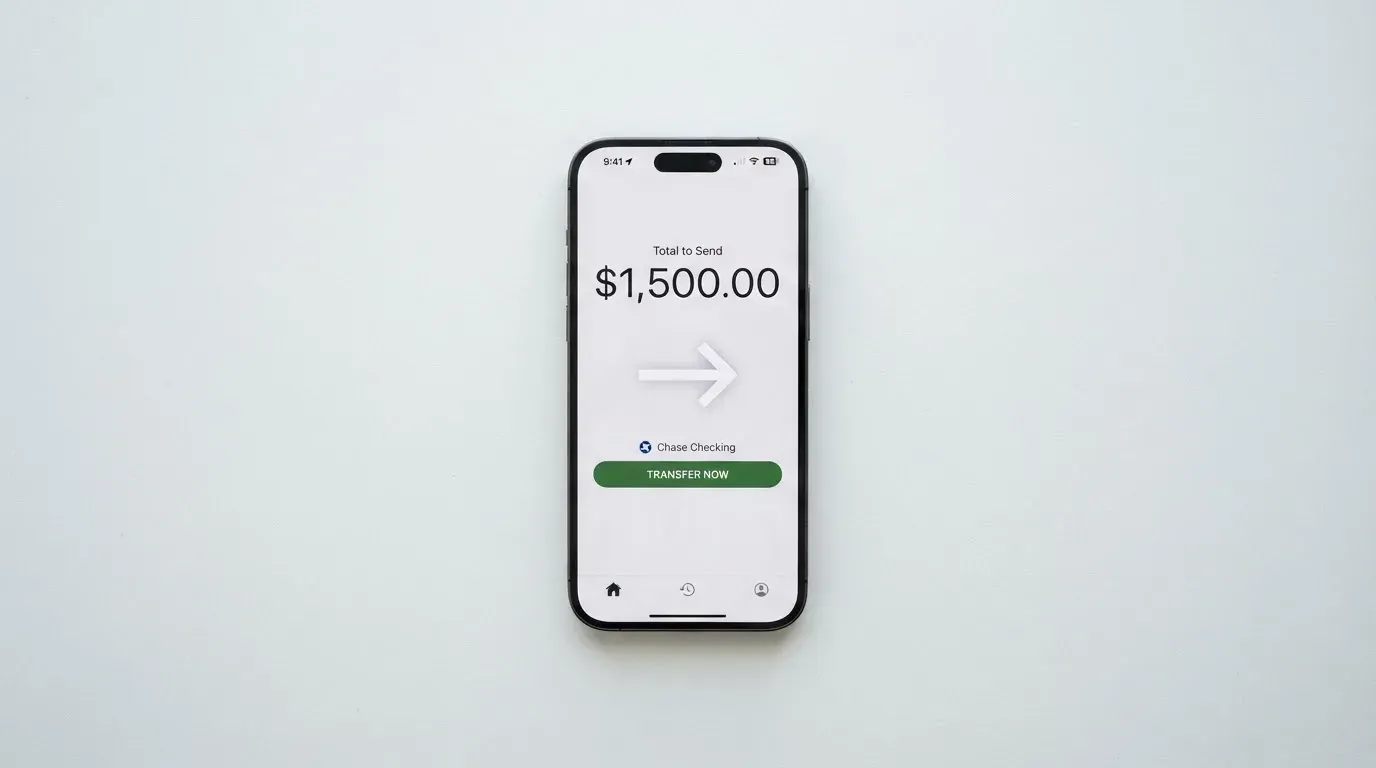
Pre-funding, the virtual card and the physical card all draw from one shared balance. The crypto top-up converts at the real-time rate. Minimums and fiat top-up options are not stated.
One unofficial note worth knowing: card loading typically costs 1%-2%, according to a guide cited by a third-party comparison site. That figure is not itemised on Oppi’s own page, so treat it as an expectation rather than a published rate.
The critical practical point: blockchain transfers are irreversible. If you send on the wrong network or to a wrong address, the funds can be lost or require manual support recovery with no guarantee. Check the network carefully before you confirm a transfer.
Paying With the Oppi Card Day to Day
Day-to-day spending is where Oppi earns its high everyday-use score. Apple Pay and Google Pay are both supported, which means most of your payments are a tap rather than a physical card insertion. ATM withdrawals are claimed as supported worldwide, though the fee and allowance are not stated.
Eligible card spending earns Oppi Points, redeemable for top-ups. The earning rate and any caps are not stated.
The App Store version is English only. Support is available via a help centre at the Oppi support portal, the email [email protected], and in-app support tickets added per release notes. Support hours are not stated.
What is not stated and worth knowing: blocked merchant categories (including gambling), the dispute process, and what happens if a transaction is charged back.
What Can Go Wrong
Let me be direct about the risks. First, the issuer is not named. The App Store developer is Encoin Limited, the site says the wallet is “operated by Oppiwallet” and “VASP-certified”, but the card issuer or BIN sponsor is not publicly identified, and no licence number or jurisdiction is stated. That means you cannot easily check the card against a regulator’s register.
Second, self-custody means you are on the hook. Private keys stay on your device, which is the whole point — but if you lose them, nobody can recover the wallet. The network cannot freeze or return stolen funds. Oppi provides a freeze function, spending controls and insurance details are not stated.
Third, contradictory information. The card’s currency is USD-implied, with a 2%-2.5% FX charge on non-USD purchases per the page — yet the App Store listing says travel bookings have “no currency exchange fees.” Limits are contradictory too: an Oppi blog gives $100,000/day while another page says $10,000/day; neither is used here. An unofficial guide says “several thousand dollars per day” depending on verification.
Fourth, no complaints found is not the same as a good track record. A search of Trustpilot and Reddit found nothing about Oppi. The App Store’s 4.6/5 from 50 ratings (four visible 2025 reviews, all positive) is the only real user signal. An unofficial note mentions one reviewer saying a physical card was never delivered — a single anecdote, but worth keeping in mind.
What to Take Instead
Three alternatives are worth comparing, each with its own trade-offs. All three scored lower overall than Oppi in my assessment, but they excel in different areas.
MetaMask scored 7.1/10 — essentially tied. It offers a free virtual Mastercard with no annual fee, a metal card at $199/year, cashback of 1% (virtual) or up to 3% (metal, capped at the first $10,000 spent), and no foreign transaction fee. It operates in 45 listed countries with a waitlist elsewhere, and spending works in “ineligible regions” — sign-ups are restricted, not spending. The catch is fewer funding assets: mainly mUSD, wETH, EURe, GBPe, USDC, USDT on Linea, Base, Monad and Solana.
KAST scored 6.1/10. It offers three tiers — Standard (free), Premium ($1,000/year) and Private ($10,000/year) — each with higher cashback (1.5%, 2%, 3% respectively, on monthly spend caps). It supports up to 10 cards per user across Visa Platinum, Infinite metal and Infinite gold. The fees are remarkably clear: stablecoin top-up, USD spend, transaction fee and Apple/Google Pay are all 0%; the non-USD FX fee is 0.5%-1.75%. Onboarding is residence-based and strict — you can create an account in an unsupported country but KYC stays locked until you pass.
Zeal also scored 6.1/10. It’s a Visa card with virtual-only format, spendable in 150+ countries, and it charges no additional FX fee (conversion at Visa’s wholesale rate). It pays up to 4% cashback in GNO on Gnosis Chain, provided you hold GNO in the card Safe. Cost is not published on zeal.app or the App Store. Card programme is live in the EU, UK, Brazil, Mexico, Japan, Singapore and a handful of other countries.
Here is how the four compare on the dimensions that matter most:
| Feature | Oppi | MetaMask | KAST | Zeal |
|---|---|---|---|---|
| Overall score | 7.2/10 | 7.1/10 | 6.1/10 | 6.1/10 |
| Custody model | Self-custody | Self-custody | Self-custody | Self-custody |
| Card brand | Virtual Mastercard (physical Visa) | Mastercard (virtual free, metal $199/yr) | Visa (Platinum/Infinite) | Visa (virtual) |
| Monthly fee | None | None | None (Standard tier) | Not stated |
| Non-USD FX fee | 2%-2.5% | None stated | 0.5%-1.75% | None (Visa wholesale rate) |
| Cashback | Oppi Points (rate not stated) | 1% virtual, up to 3% metal | 1.5%-3% by tier | Up to 4% in GNO |
| Countries | 210+ claimed | 45 listed, spend global | Residence-based list | 150+ spend |
| Funding assets | 9 across 5 chains | 6 named tokens, 4 networks | 4 stablecoins | Not stated |
Who I Would Recommend It To
I’d recommend Oppi to someone who already holds crypto, wants to spend it directly from a self-custody wallet, and lives in a non-sanctioned country. The card’s appeal is its flexibility: nine funding assets, five chains, virtual and physical options, Apple Pay and Google Pay, ATM access. If you want optional plastic and control over your keys, this card delivers.
I would not recommend it to someone who needs a clearly itemised fee schedule, a named card issuer they can verify against a regulator, or a well-documented dispute process. The card’s own pages simply do not publish those things, and third-party sources contradict each other on virtual card pricing and limits. For a first crypto card, or for someone who needs certainty over flexibility, the alternatives may serve you better — MetaMask for its clearer virtual-card cost model, KAST for its transparent tier structure and fee schedule, Zeal for its no-additional-FX-fee promise.
The bottom line: Oppi is a competent, flexible self-custody card with a genuinely attractive funding model. Its 7.2 score reflects real strengths offset by real gaps in published information. If those gaps bother you, pick a card that publishes more; if they don’t, Oppi is a solid option today.
Frequently asked questions
What is Oppi card?
Oppi is a crypto payment card built around a self-custody wallet. Your private keys stay on your own device; the card converts and loads your crypto as spendable balance. It offers a virtual Mastercard issued quickly, an optional physical card, Apple Pay and Google Pay support, ATM withdrawals, and funding from nine assets across five blockchain networks. It is not a bank account.
Is Oppi a bank?
No. Oppi is not a bank. The App Store developer is Encoin Limited; the site says the wallet is operated by Oppiwallet and is “VASP-certified”. The actual card issuer or BIN sponsor is not publicly named, and no licence number or jurisdiction is stated. That means you cannot easily verify the card against a central bank’s register.
Does Oppi card require KYC?
Yes, to enable the card — but not the wallet itself. KYC means a government ID plus a selfie, taking two minutes. There is one verification level; no tiers are described. Proof of address and age requirements are not stated on the card’s pages. Unofficial sources say proof of address is required under AML policy.
How do I activate the Oppi card?
After completing KYC in the app, the virtual Mastercard appears instantly and is ready to use. The physical card, if you want one, is ordered separately and costs $100 including shipping according to the card page. Delivery time, countries served and replacement cost are not stated. Some unofficial reviews mention one user reporting a physical card was never delivered.
How do I top up the Oppi card?
You fund the card by sending crypto to the wallet: BTC, BCH, BNB, ETH, LTC, SOL, USDT, TRX or USDC, across Ethereum, BSC, Polygon, TRON or Solana. The pre-funded balance, virtual card and physical card all draw from one shared balance, and top-ups convert at the real-time rate. Minimums and fiat top-up options are not stated.
What does it cost to use the Oppi card?
The virtual card costs $10 to activate, with $5 credited back. There is no monthly or annual fee. The physical card is $100 including shipping. Non-USD purchases carry a 2%-2.5% FX charge. Crypto top-up converts at the real-time rate; swap fees are described as “low” but not quantified. ATM withdrawal fees are not stated. Unofficial sources suggest card loading costs 1%-2%.
Can I use the Oppi card in my country?
Oppi claims availability in 210+ countries, with “availability varies, regulatory limits apply”. Restricted countries listed in unofficial sources are Cuba, Iran, North Korea and Syria, and the AML policy also bars Crimea, Donetsk and Luhansk. Eligibility is checked at signup. A restricted-country list exists in the page FAQ, though the answers were not readable.
Is the Oppi card safe?
Oppi is built on self-custody: private keys stay on your device, and Oppi states it never holds your funds. That removes counterparty risk — but transfers you authorise are irreversible, and a lost key means lost funds with no recovery. The issuer is unnamed, no complaints were found in my search, and the App Store rating is 4.6/5 from 50 ratings. Freeze and spending controls exist; insurance details are not stated.
Is the Oppi card worth it?
It depends on what you need. If you already hold crypto, want to spend it from your own wallet, and need broad funding options (nine assets across five chains), Oppi is worth it. If you need a clearly published fee schedule, a named issuer you can verify, or a well-documented dispute process, look elsewhere — MetaMask, KAST or Zeal each publish more on those fronts.
How do I delete my Oppi account?
The card’s own pages do not clearly document account deletion in the materials reviewed. The support centre at the Oppi support portal and the email [email protected] are the routes to ask. In-app support tickets have been added per release notes. If you are self-custodying, remember that your crypto lives in your own wallet, not with Oppi — but any balance loaded onto the card should be withdrawn before closing anything.
Wallet cards – cryptocardsranked
Content created by the «cryptocardsranked» team